Source Customizable Hardcover Planner and Notebook Set for School, Office, and Gifts
Explore 30 options for a customizable hardcover planner and notebook set designed for school, office, and promotional gifts. Buyers can compare binding styles, cover materials, and page layouts to find the right fit for their needs; compare the available evidence and request quotations based on your requirements.
Key considerations
Products List


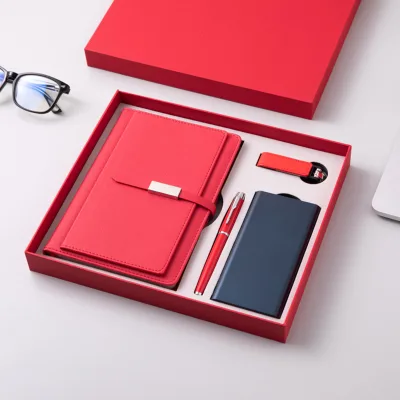


Comprehensive Sourcing Guide
Customizable Hardcover Planner and Notebook Set Sourcing Guide
Buyers evaluating this category must first distinguish between the specific structural variations observed in current listings, such as spiral binding versus sewing thread or loose leaf systems. The market presents a mix of hard paper and PU leather covers, with some units featuring thermal binding or saddle stitching, requiring precise specification alignment before ordering. Understanding these distinct construction methods is critical because they directly impact the durability and intended usage, whether for office records, school supplies, or promotional gifts.
Procurement teams should verify that the selected model matches the required page count and interior printing style, as observed ranges span from 80 to 120 sheets or more, with options for horizontal lines, blank pages, or grid layouts. The customization capabilities extend to cover materials and printing methods, including gold or silver stamping, which allows for tailored branding. However, buyers must confirm that the specific supplier can deliver the exact combination of binding style, cover material, and page format required for their specific application without compromising the structural integrity of the hardcover design.
Product Scope and Observed Listing Signals
The observed product scope includes a diverse array of notebook types ranging from standard A5 organizers to larger A3 or A4 formats, with some listings explicitly noting AStyle:Printed or Hardcover finishes. Buyers will encounter variations in the inner page quantity, with some models offering standard 100 sheets while others provide 120 sheets or customizable counts. This variability necessitates a clear definition of the end-use scenario, as the product is marketed for uses ranging from pocket-sized daily planners to substantial commercial gift sets.
Listing signals indicate that customization is a central feature, with suppliers accepting requests for customized logos, specific color printing in CMYK or Pantone, and tailored packing solutions like OPP bags or cartons. The origin of these goods is primarily traced to manufacturing hubs in Guangzhou and Wenzhou, suggesting a concentration of supply chain capabilities in these regions. Buyers should note that while many listings offer low MOQs, others specify minimums of 300 pieces, requiring early negotiation to align order volumes with budget constraints and inventory needs.
Technical Specifications to Verify
Technical verification must begin with the binding mechanism, as the market offers spiral, sewing thread, loose leaf, and glue-bound options, each serving different functional needs. A spiral binding might be preferred for lay-flat usage in school settings, whereas sewing thread or glue binding offers a more traditional, durable feel for executive planners. Buyers must explicitly confirm the binding style in the purchase order to ensure the final product meets the mechanical requirements for frequent handling and long-term use.
The interior paper specifications are equally critical, with observed options including offset, coated, or recycled paper materials that affect ink absorption and writing feel. The inner printing style, whether blank, lined, dashed, or grid, must be matched to the intended content, such as memo diaries or commercial records. Additionally, the cover material type, ranging from PU leather to linen or PVC, requires validation to ensure it aligns with the desired aesthetic and durability standards for the specific promotional or educational context.
Compliance and Safety Documentation
While specific certification documents are not universally listed in the provided product facts, buyers should request evidence of compliance with relevant safety standards for paper and printing materials used in the region. The presence of surface treatments like silk printing or gold stamping necessitates verification that the inks and adhesives used meet environmental and safety regulations for the target export market. This is particularly important for products intended for school supplies or children's use, where chemical safety is a primary concern.
Procurement teams must also verify that the packaging materials, such as standard shipping packaging or customized cartons, adhere to international shipping safety standards to prevent damage during transit. Although specific test results are not provided in the source data, buyers should require suppliers to confirm that their production processes do not introduce hazardous substances into the final product. Ensuring that the paper and cover materials are sourced responsibly helps mitigate risks associated with regulatory non-compliance in destination markets.
Cost Drivers and Commercial Terms
Cost drivers in this category are heavily influenced by the complexity of customization, including the choice of cover material, the number of inner pages, and the specific printing techniques employed. The observed price range of 0.3 to 15.88 USD reflects the significant variance between basic paper notebooks and premium PU leather or hardcover options with advanced surface treatments. Buyers must understand that higher customization levels, such as specific Pantone color matching or unique binding styles, will inevitably increase the unit cost and potentially affect the minimum order quantity.
Commercial terms regarding lead times and shipping must be carefully negotiated, as observed delivery times range from 15 to 20 days, with some suppliers offering customized shipping specifications. The MOQ varies significantly, with some listings offering low minimums while others require 300 pieces or more, directly impacting the total landed cost per unit. Buyers should clarify whether the quoted price includes surface treatments like silk printing or if these are additional line items, ensuring a transparent understanding of the total cost structure before finalizing the order.
Supplier Qualification and Quality Control
Supplier qualification should focus on verifying the consistency of their production capabilities, particularly regarding the customization of binding styles and cover materials. Given the diverse origins in Guangzhou and Zhejiang, buyers must assess the supplier's ability to maintain quality control across different product models, such as the H-001 or RY001 series, to ensure uniformity in the final output. It is essential to confirm that the supplier can consistently deliver the specified paper quality and binding strength required for the intended application.
Quality control protocols must include pre-shipment inspections to verify that the inner pages are correctly printed and bound, and that the cover materials match the requested specifications. Buyers should request samples that demonstrate the actual finish of surface treatments like gold stamping or the durability of the sewing thread binding. Establishing a clear quality agreement that defines acceptable tolerances for page count, binding strength, and printing alignment is crucial to preventing disputes and ensuring the product meets the buyer's expectations.
Long-Term Procurement Checks
Long-term procurement success depends on establishing a reliable supply chain that can consistently meet evolving customization needs and volume requirements. Buyers should monitor the supplier's ability to maintain lead times and quality standards over multiple production cycles, especially when scaling up from low MOQs to larger orders. Regular communication regarding material availability and production capacity helps prevent delays and ensures that the supply chain remains resilient against market fluctuations.
Continuous evaluation of the product's performance in the field is necessary to validate the initial selection of materials and binding styles. Buyers should gather feedback on the durability of the hardcover and the usability of the inner pages to inform future purchasing decisions. Maintaining a relationship with the supplier that allows for iterative improvements in design and functionality ensures that the product line remains competitive and aligned with the changing needs of the target market.
FAQs
What customization options are available for the cover and pages?
Customization is available for both the cover material and the inner pages. You can select from PU leather, linen, paper, PP, or PVC for the cover. Inner pages can be printed with horizontal lines, blank layouts, underlines, dashed lines, or grids. The page count typically ranges from 80 to 120 sheets, with options for standard 100 sheets or fully customized quantities to meet specific project needs.
Which binding styles can be used for these planners?
Multiple binding styles are supported to suit different durability and aesthetic requirements. Options include spiral binding, sewing thread binding, loose leaf mechanisms, and glue binding. Additionally, thermal binding and saddle stitching are available for specific production needs. These methods ensure the planner remains secure while allowing for flexible page turning and long-term usability in office or school environments.
What are the standard sizes and specifications for these notebooks?
Standard sizes include A5, A4, A3, A6, and B5 formats, with A5 being a common standard for planners. The product models range from H-001 to H-007, offering various configurations. Sizes can be customized to fit specific branding or functional requirements. The inner pages are typically printed in CMYK or Pantone colors, ensuring high-quality visual output for promotional or commercial use.
Can I order a low minimum quantity for a trial batch?
Yes, low MOQ options are available for initial trial orders. While some standard configurations may require a minimum of 300 pieces, other variants allow for quantities as low as 10 units. This flexibility supports small businesses and promotional campaigns. Custom packaging in OPP bags or cartons is also available, ensuring your products arrive safely while maintaining brand consistency during the initial sourcing phase.
What is the typical delivery time for customized orders?
The typical delivery time for customized orders is 15 to 20 days. This timeframe accounts for material sourcing, printing, binding, and quality inspection. Production origins include Guangzhou and Zhejiang, China, which may influence logistics. For urgent requirements, confirm specific lead times with the supplier, as standard shipping specifications or customized packaging may slightly adjust the final dispatch date based on order volume.
Are these notebooks suitable for promotional gifts and school use?
Yes, these notebooks are highly suitable for promotional gifts and school supplies. They are designed for usage in offices, schools, and commercial gifting scenarios. Custom logos and surface treatments like gold or silver stamping enhance their appeal as branded items. The durable hard paper or PU covers ensure longevity, making them ideal for advertising promotions, employee rewards, or student stationery sets with professional finishes.